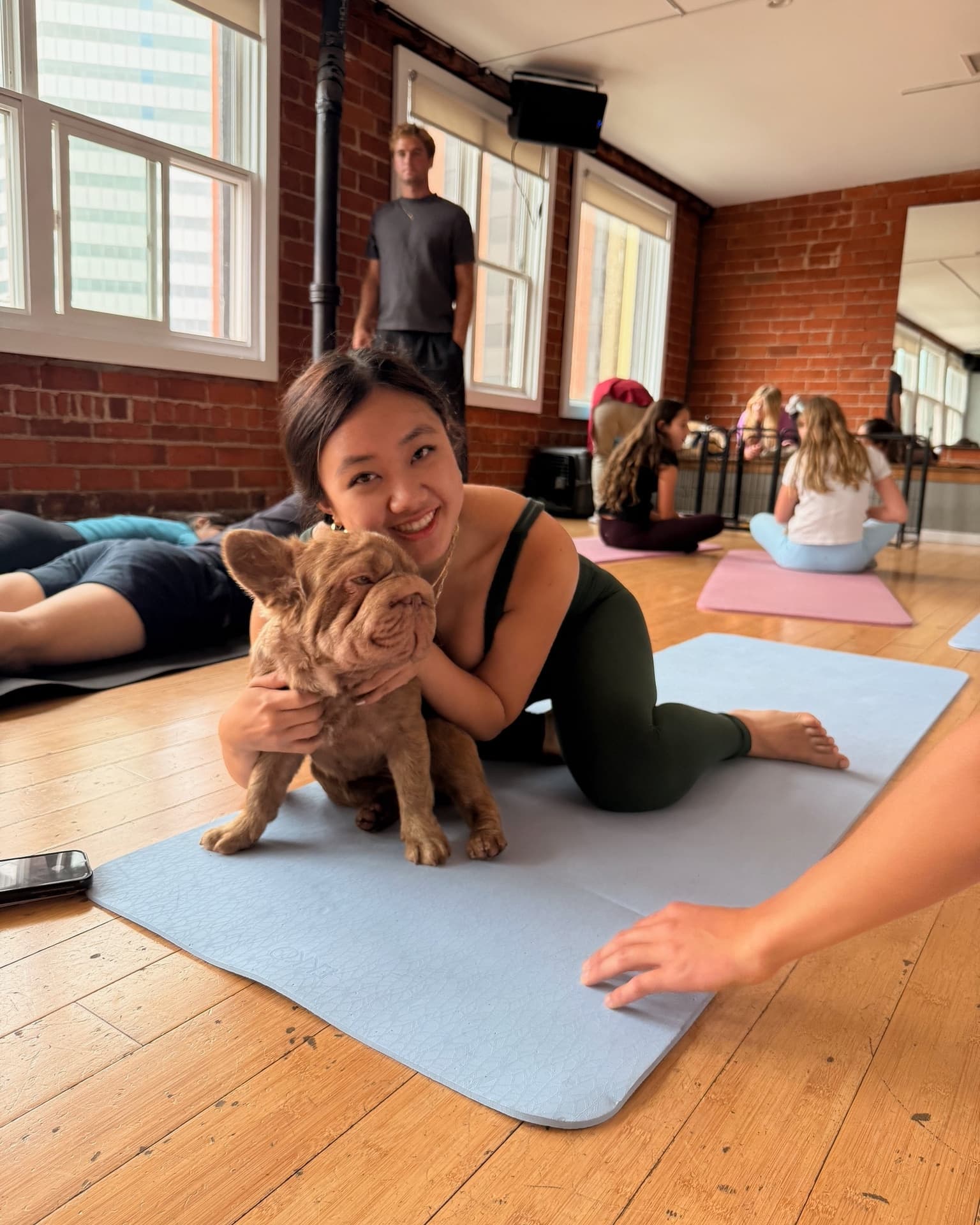
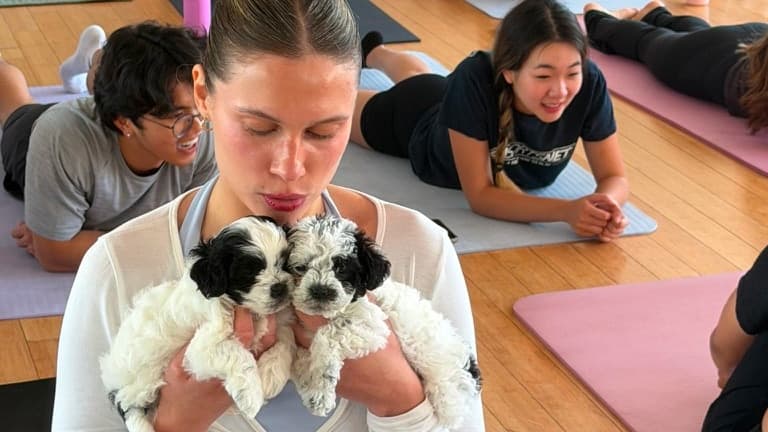
Is Puppy Yoga Ethical? A Welfare Checklist for Guests
Puppy yoga can only be responsible when animal welfare comes first. Use this checklist to evaluate sourcing, supervision, rest, sanitation, and guest interaction.
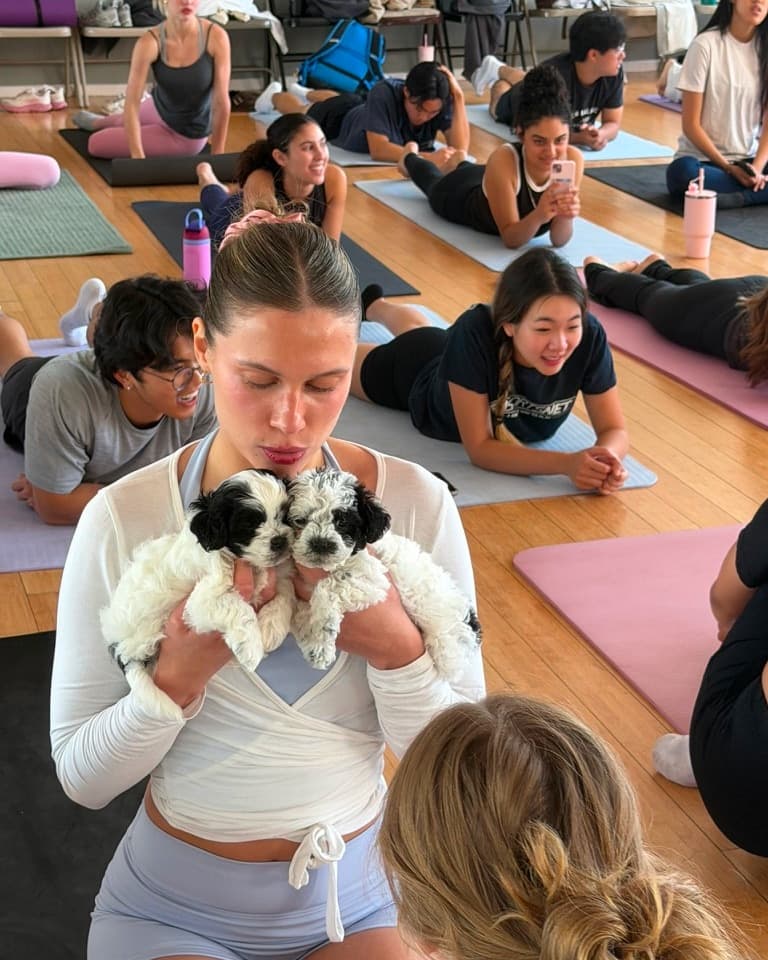
Puppy yoga is not automatically ethical or unethical. The answer depends on where the puppies come from, how the class is run, whether the animals can rest and opt out, and how people are taught to interact with them.
Cute photos are not evidence of good welfare. Before booking, look for clear answers and animal-first behavior.
The main welfare risks
Young dogs need sleep, predictable care, appropriate socialization, and protection from overwhelming situations. A class can become irresponsible when it involves:
- Careless or unclear sourcing
- Too many people around too few puppies
- Repeated handling without choice
- No quiet place to rest
- Long or frequent sessions
- Poor temperature or sanitation control
- Guests chasing, waking, feeding, or grabbing animals
- Staff ignoring signs that an animal needs space
The provider should design the experience around those risks instead of expecting the puppies to tolerate anything guests want.
1. Ask where the puppies come from
Puppy & Flow works with carefully screened breeder partners who raise and care for the puppies before and after class. The puppies remain under their caregivers’ responsibility throughout the experience.
Before puppies participate, Puppy & Flow reviews relevant information about their age, health, vaccination status, temperament, and suitability for a supervised group setting. Ask any provider who is responsible for the animals and what is reviewed before they enter the class.
Read Our Puppies & Their Care and our guide to where puppy yoga puppies come from for the complete process.
2. Look for active supervision
Someone should be watching the puppies throughout the experience. The instructor cannot simultaneously lead a full class and monitor every animal interaction without support.
Good supervision includes:
- Noticing when a puppy retreats, sleeps, or appears uncomfortable
- Redirecting guests who interact too forcefully
- Managing doors, mats, bags, and other hazards
- Cleaning accidents promptly
- Separating animals when needed
- Changing the plan when welfare requires it
Ask who remains responsible for the puppies during class.
3. Puppies need choice and rest
Ethical interaction is voluntary. Puppies should be able to approach people, move away, and sleep without being continuously picked up or passed from guest to guest.
A quiet rest option matters even when the room looks calm. Young animals can become tired quickly, and a class should not depend on every puppy being socially available every minute.
As a guest, let the puppy come to you. Do not wake a sleeping puppy or follow one that is trying to leave.
4. Guest rules should be clear
Responsible providers explain the rules before interaction begins. Guests should know:
- Whether and how they may hold a puppy
- Not to feed animals without permission
- To keep personal items out of puppy paths
- To avoid chasing or cornering
- When to give the animals more space
- How photos should be taken
“Use common sense” is not enough when a room includes many first-time guests and free-moving animals.
5. Sanitation and health precautions matter
Any live-animal activity can involve hair, dander, saliva, urine, feces, and the possibility of scratches or bites. A professional setup should anticipate accidents and maintain a clean, controlled space.
Guests also have responsibilities. Follow handwashing directions, cover open wounds, keep food away from the class area, and do not attend if the provider’s health rules say you should stay home.
People with allergies, asthma, compromised immunity, or pregnancy-related concerns should make an informed decision with their own healthcare professional.
6. Marketing should be honest
Be cautious when a provider makes sweeping claims such as:
- Every interaction automatically benefits every puppy
- Every puppy is available for a permanent home
- The class is “therapy”
- A certain breed is guaranteed far in advance
Specific facts can change. Honest marketing explains the process, acknowledges variation, and avoids turning welfare into a slogan.
How Puppy & Flow approaches the class
Puppy & Flow structures each experience around the puppies’ needs. Staff and caregivers supervise throughout the class, guests receive handling instructions, and puppies can approach, move away, play, or settle without being required to interact continuously.
Puppies receive breaks and have access to a separate area where they can sleep, drink water, or disengage. If a puppy appears tired, overstimulated, uncomfortable, or stressed, participation is paused immediately.
The classes are designed to support controlled, age-appropriate socialization, but Puppy & Flow does not claim that every interaction automatically benefits every puppy. Individual behavior and comfort determine whether interaction continues.
Animal welfare can also require a class change or cancellation. That is an operational reality, not a failure of the experience. Guests should still ask questions and observe the room; transparency is part of responsible practice.
A five-question booking checklist
Before you buy a ticket, ask:
- Where are the puppies coming from?
- Who supervises them during the class?
- Where can they rest away from guests?
- What rules do participants receive?
- What happens if an animal is tired, stressed, or unwell?
If the answers are vague or focused only on guest entertainment, choose another provider.
What ethical puppy yoga should feel like
A responsible class can still be playful and unpredictable. The difference is that the puppies are treated as animals with needs and choices—not props required to perform.
Guests may not hold a puppy the entire hour. Some puppies may sleep. The lineup may change. Those are signs that the experience is adapting to living animals, which is exactly what should happen.
Ready to try puppy yoga?
Weekend classes in Westwood, Los Angeles. Current pricing and availability are shown before checkout.